If your goal is to create a commercial space that looks like everyone else’s, blends into the background, and says very little about your business, then true interior design may not be what you are looking for.
That may sound blunt, but it’s true.
Because real commercial interior design is not about casually selecting finishes, picking a few chairs, or chasing whatever style is having a moment. It is about creating a space with a clear point of view — one that reflects your brand, supports your business, and gives people an experience they remember.
A well-designed business environment should do much more than “look nice.” It should communicate who you are almost instantly. It should help people understand your brand without needing a long explanation. It should support your operations, strengthen your culture, and create a feeling that sets you apart from the competition.
That is where strategy comes in.
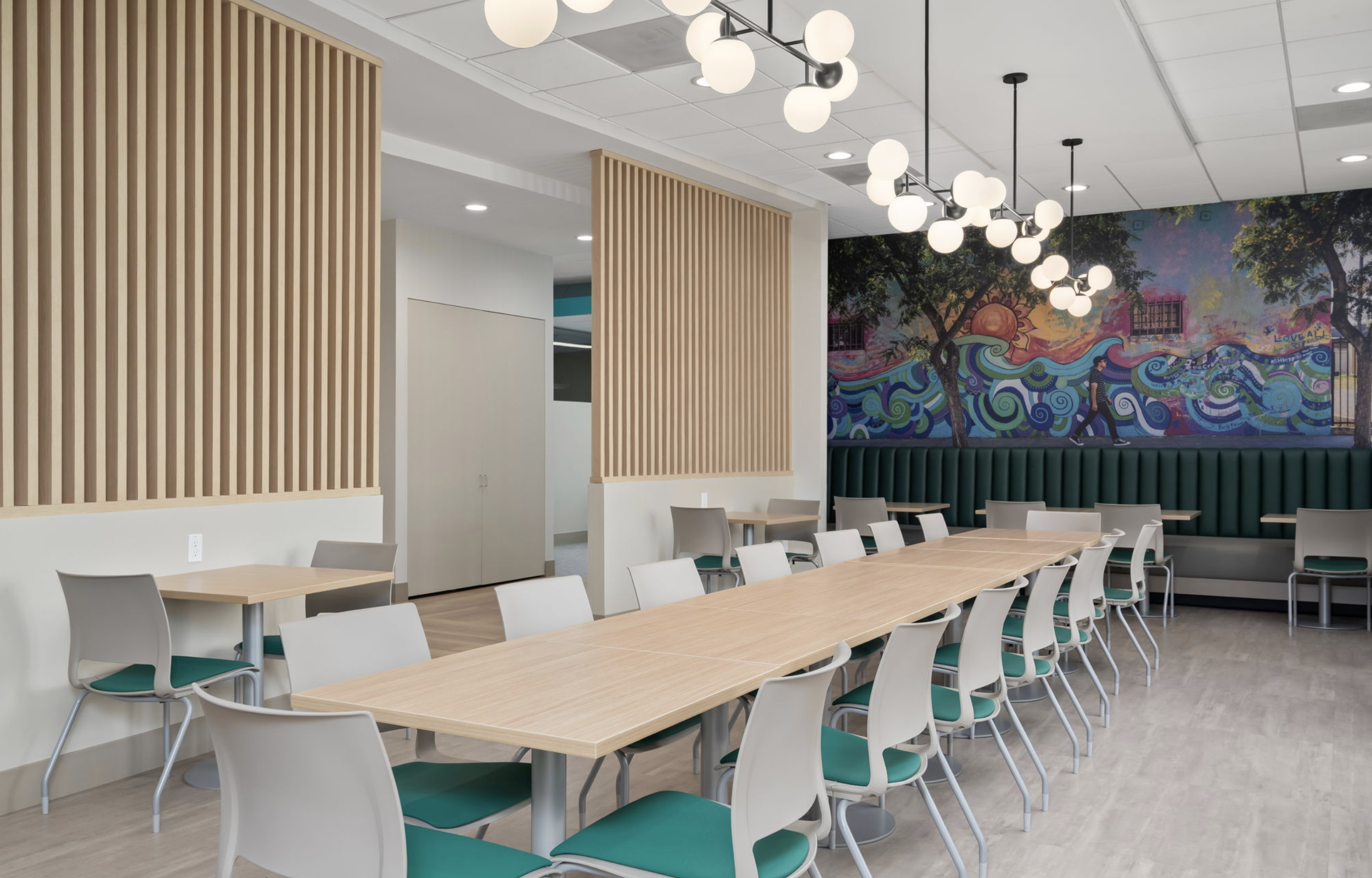
Your space becomes a physical expression of your company. It shows clients, customers, tenants, staff, and visitors what kind of experience they can expect from you. It signals whether your brand is polished, innovative, welcoming, elevated, efficient, creative, established, or forgettable.
And yes — forgettable is often the real risk.
A commercial space can be clean, functional, and even expensive, yet still feel generic. When that happens, the business misses a huge opportunity. The environment may technically work, but it is not doing any of the deeper work that design should be doing.
Great commercial space design should:
That is a very different goal than simply “putting something together.”
One of the biggest misconceptions in the market is that branding lives only in a logo package, a website, or a social media feed.
In reality, your physical environment is one of the most powerful branding tools you have.
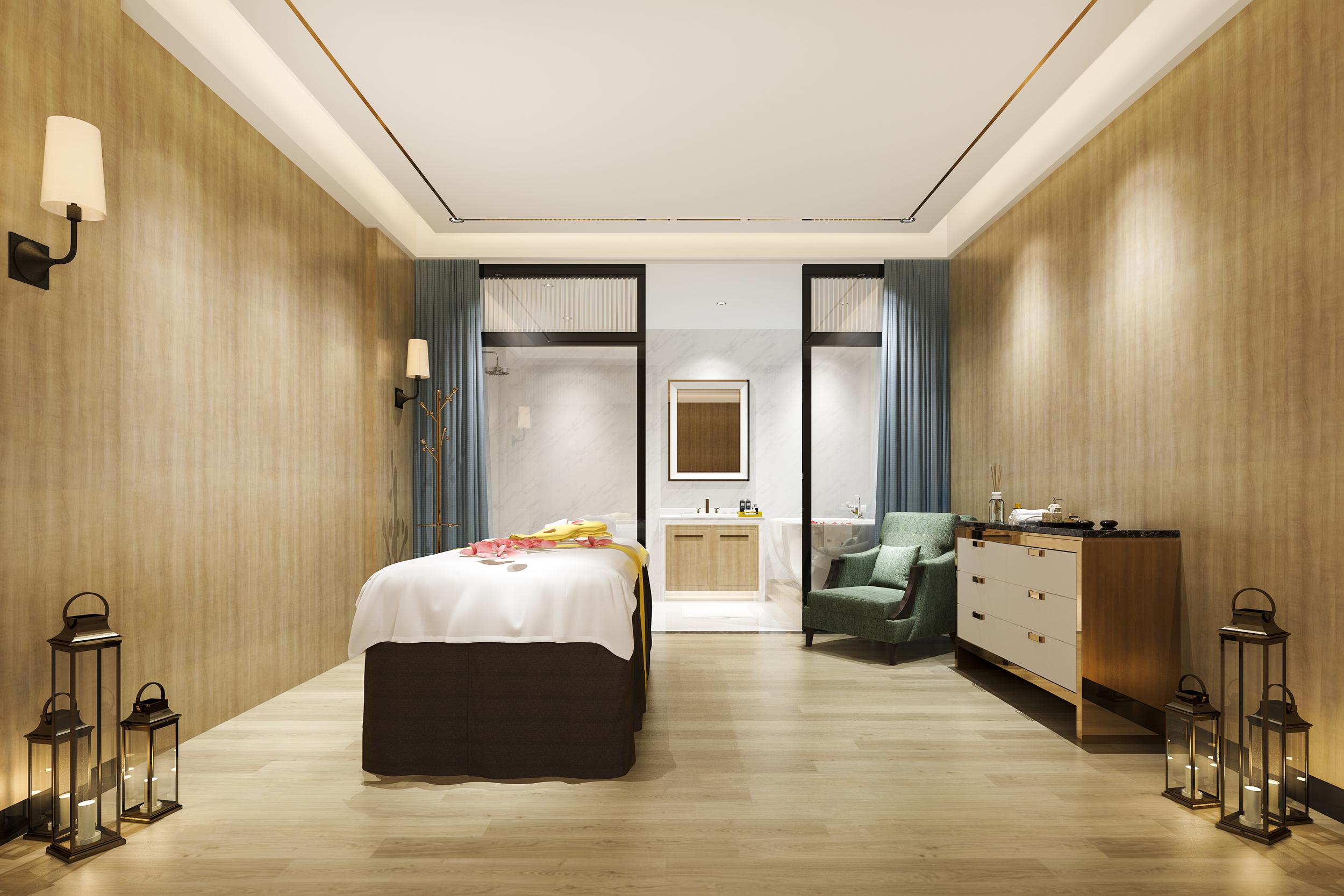
Before anyone reads your brochure, hears your pitch, or meets your team, they are already gathering information from the space itself. They are noticing the atmosphere, the layout, the lighting, the level of detail, the energy, and the consistency. All of those elements are quietly telling a story about your business.
That is why designing a commercial interior is so similar to designing a brand.
It requires research. It requires understanding your audience. It requires clarity about your values, your market position, and the experience you want people to have. Then it requires the discipline to translate those ideas into materials, finishes, furnishings, space planning, signage, lighting, and flow.
When that process is done well, the result feels intentional from the first step inside.
When design is treated like a collection of random choices, the final result usually feels disconnected. One item may be beautiful. Another may be practical. A third may be trendy. But together, they do not necessarily create a strong identity.
That is because good design is not about endless variety. It is about clarity.
The strongest commercial interiors are built around a vision. They are not assembled from disconnected preferences or last-minute reactions. They are guided by a strategic framework that helps every decision support the same bigger goal.
That does not mean there is only one possible solution. It means the solution should be intentional.
A business does not become more compelling because it was presented with more options. It becomes more compelling when its space tells a clear, confident story.
When your space has a strong identity, you stop relying so heavily on price to win attention. You begin competing on something far more memorable: experience.
People remember places that feel different. They talk about environments that feel thoughtful. They share spaces that are visually cohesive, emotionally engaging, and aligned with the brand behind them.
That matters in nearly every commercial category — office, hospitality, multifamily, retail, wellness, restaurant, senior living, and beyond.
In today’s market, experience drives perception. Perception influences trust. And trust often shapes whether someone buys, returns, refers, leases, joins, or engages.
That is why strategic interior design is not fluff. It is not extra. It is part of how modern businesses position themselves.
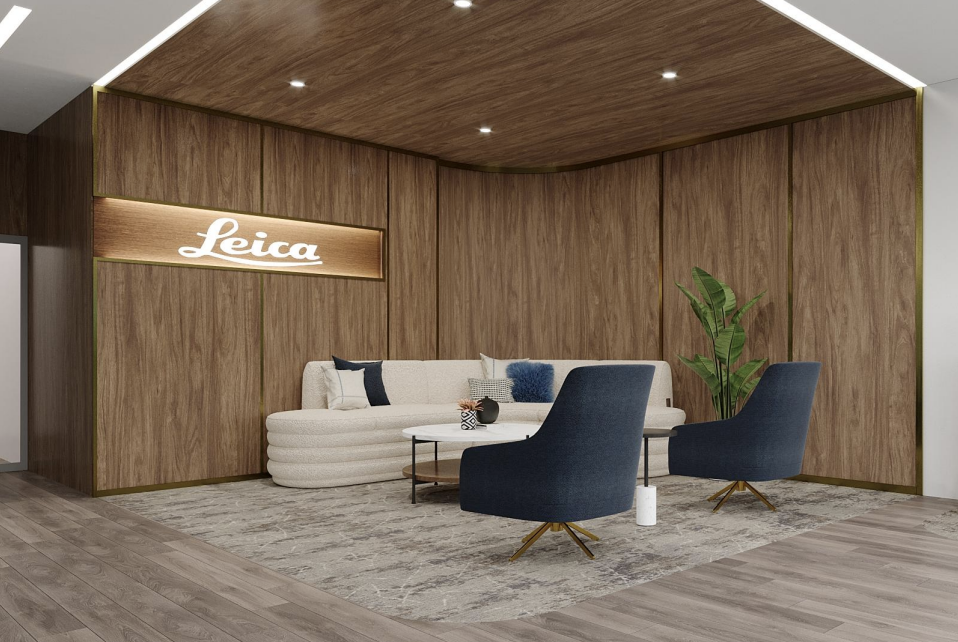
A successful commercial interior should also function beautifully behind the scenes. It should support how your team works, how your customers move through the space, how services are delivered, and how your environment holds up over time.
The best design solutions are both expressive and practical.
They solve workflow issues. They improve comfort. They support productivity. They create better first impressions. And they reduce the disconnect between what a business says it is and what people actually experience when they walk through the door.
That combination — performance and personality — is where design starts doing real business work.
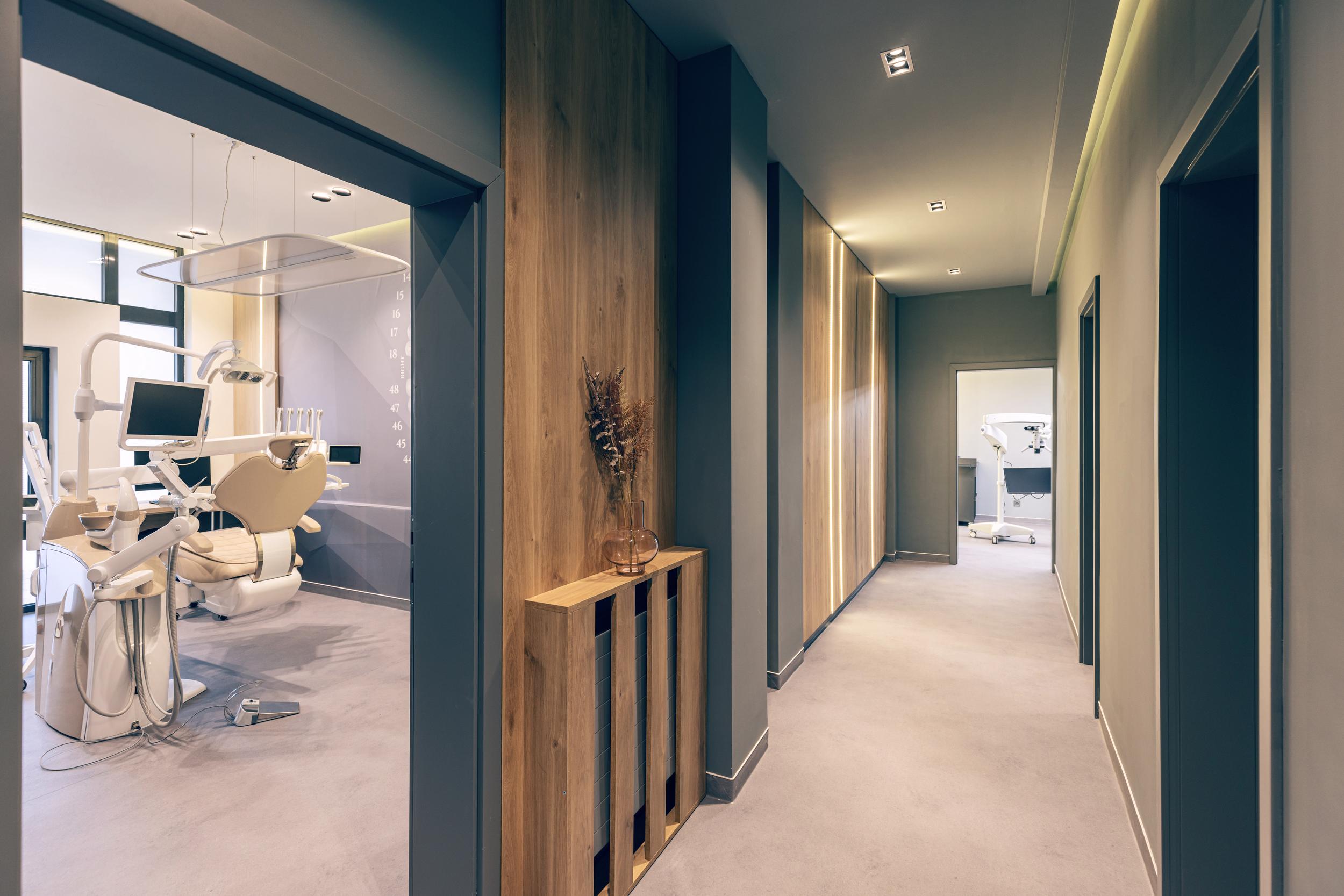
Some businesses need simple upgrades. Some need furniture specified quickly. Some need a functional refresh without a major transformation. There is nothing wrong with that.
But if your goal is to create a commercial space that reflects your brand, supports your team, enhances customer experience, and helps your business stand apart in a competitive market, then you are not just looking for finishes or furniture.
You are looking for design with purpose.
The kind that creates identity.
The kind that builds experience.
The kind that helps your space do more than sit there and look decent.
Because when commercial interior design is done well, your space stops being a backdrop.
It becomes part of your brand advantage.
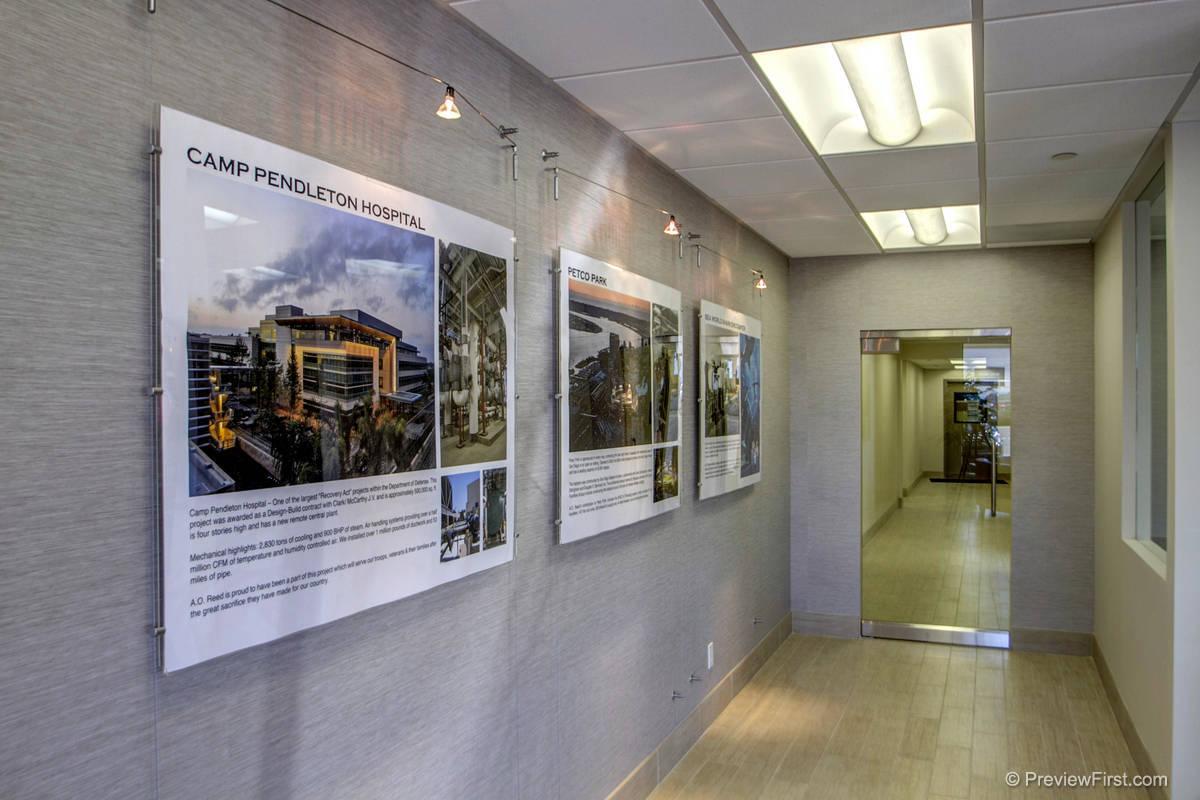
Read our latest article about the ins and outs of commercial interior design! Read Here!

